This interview is part of a new series highlighting the work of scientists and clinicians working in the "Diagnosis and Monitoring of Disease Progression Using Deep Neuro Signatures (DNS)" clinical trial. The trial is currently enrolling patients at several sites in Greece.
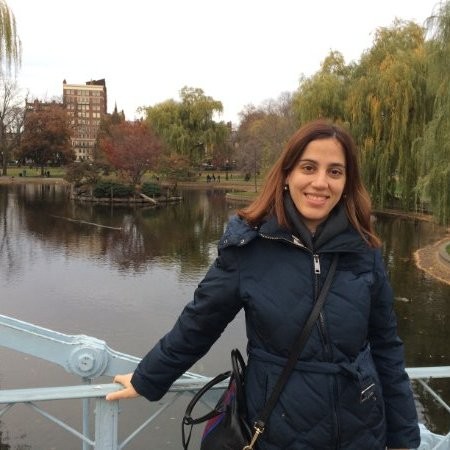
Eleni Baldimtsi is a psychologist working for the DNS clinical trial at Elpis General Clinic, a private hospital located in the city of Volos. The hospital has a long history within the local region of Thessaly, and it is highly regarded as one of the best medical centers in the area.
Dr. Baldimtsi joined the DNS study in late June this year, to support neurologist Dimitrios Kalochristianakis (Director of the Neurology Department at Elpis and PI of this study site) in the recruiting, project management, and all-round running of the study at Elpis.
At the time we conducted this interview, Dr. Baldimtsi was especially busy with the initial neuropsychological assessment of newly recruited study participants.
Eleni, can you tell us about how recruiting for the study is going at Elpis?
Since my arrival, we were able to do a big push in terms of recruiting. We recruited 38 patients so far. People are usually quite open and positive towards participation in the study; the most difficult part comes when we explain to them they'll have to undergo the lumbar puncture - there's still a big stigma around this topic, that it can cause paralysis and so on. Luckily, Elpis has a reputation of excellence regarding its medical procedures, and we have a really experienced nursing staff, so that helps a bit.
On July 3rd this past summer, with the precious collaboration of Magda Tsolaki and Dimitrios Kalochristianakis, we were able to organize an event in a nice location by the seaside to recruit healthy participants for the control group, too. These are mostly caregivers who are witnessing what is happening to their loved ones and are worried it can happen to them, too.
Unfortunately, in September our city Volos was hit by two heavy floods. Movement of people has been difficult, and recruitment slowed down a bit - but we are hoping to pick it up again soon when things are calmer. [Note to the reader: luckily Eleni's house is fine and she had electricity when we conducted this interview!]
What is your main responsibility in the study?
I am heavily involved in project management activities - for example in communicating recruitment data to Altoida -, and I'm the one carrying out the neurophsychological testing part, which is something I really love.
The first assessment that we do lasts about one hour. After a short cognitive history, I am testing patients and their caregivers in their global cognitive function, executive functioning, memory, orientation, judgment and problem solving, plus their general well-being and quality of life: physical activity levels, community affairs, home situation and interests, self-care habits, sleep quality, functional skills and daily living skills. We also look for any other neuropsychiatric symptoms that might act as a confound to cognitive decline.
This is usually a very important step to onboard the patients and get a first commitment to what's to come. If it is done well, it puts them in the best predisposition to participate in the study and to face the treatment that's coming. They often ask a lot of questions, and it is a nice moment of self-reflection for all the parties involved.
You clearly have a passion for working with people! Why do you think early neuropsychological assessment is so important?
People differ, and it's often very complicated to determine if cognitive decline or behavioral changes are due to normal aging or to something more worrying. That's why it is very crucial to test early and well, and I am excited to find out what the Aloida tools can bring to the table in this respect. During the neuropsychological assessment you can spot things that not even the doctor or the caregiver have seen yet. Dr. Kalochristianakis and I always have a discussion after the test results come back: we compare our notes, data, and clinical impressions. At Elpis, diagnosis arrives after real confrontation, human-centered work and multidisciplinary effort.

Note to the reader: Dr. Baldimtsi does not work at the clinic outside of the scope of the study.